
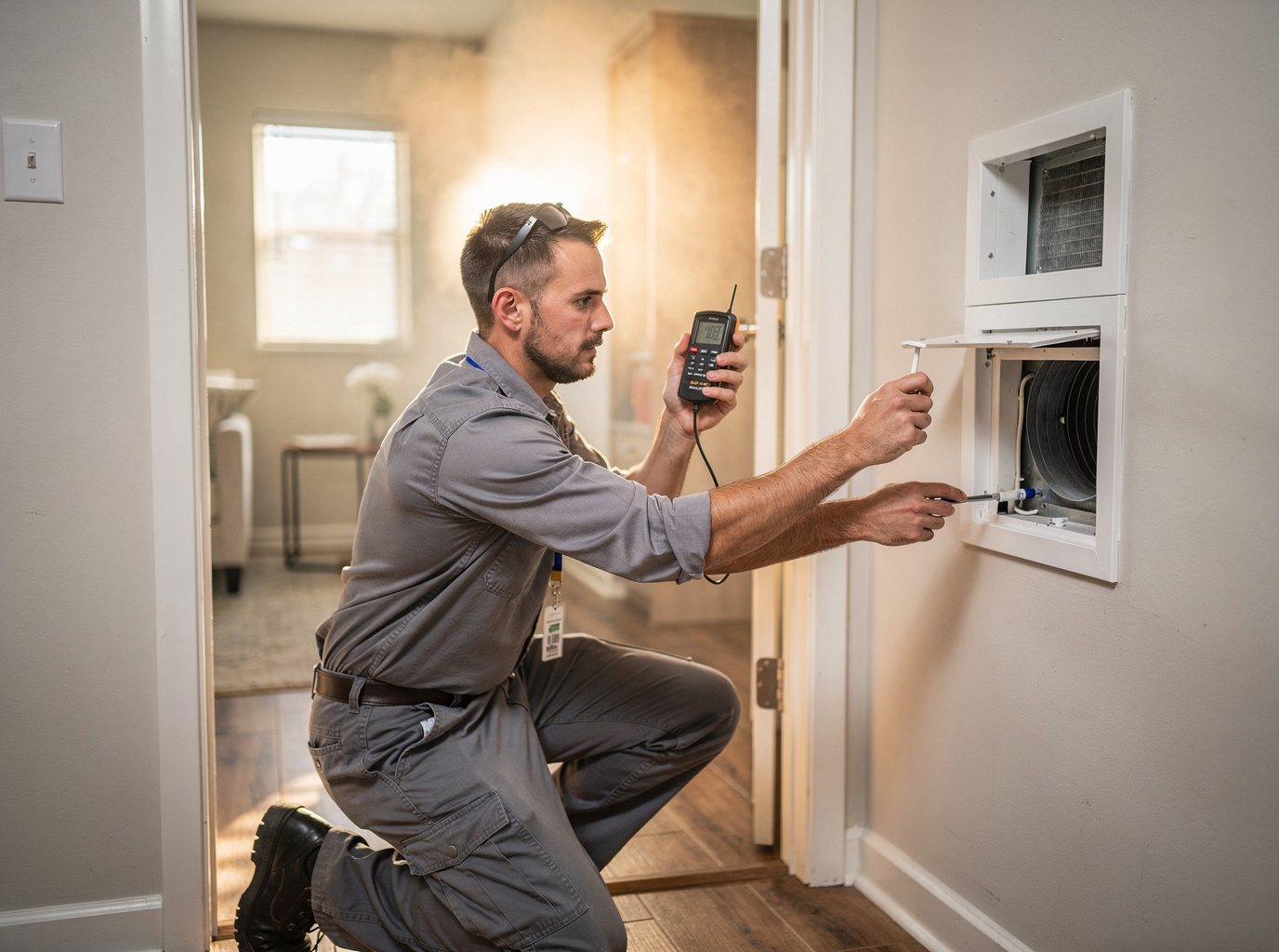
Uneven cooling is a common frustration for homeowners across Austin, from the historic homes in Clarksville to the newer builds in Mueller. It's more than just an annoyance; it can lead to higher energy bills as you overcool one area trying to make another comfortable. In our hot, humid Austin summers, consistent cooling is essential for indoor comfort and even for protecting your home from humidity-related issues. We often see this problem exacerbated in older homes in areas like Travis Heights or Barton Hills, where original ductwork might not be adequately sized or sealed for modern demands. However, even newer constructions can develop issues due to settling, poor initial installation, or maintenance oversights that lead to airflow imbalances.
The root causes of uneven cooling are varied and require a thorough, systematic approach to diagnose. It's rarely a single, simple fix. We frequently encounter issues ranging from leaky ductwork in attics (a common problem in Austin's older housing stock, especially with the intense summer heat causing materials to expand and contract), to improperly sized or blocked registers, and even issues with the thermostat's placement or calibration. Zoning systems, while designed to offer precise control, can also be a source of uneven cooling if not installed or maintained correctly. Our approach begins with a comprehensive assessment of your entire HVAC system, including airflow measurements, temperature differentials, and duct integrity checks, to pinpoint the exact culprits behind your comfort woes.
Addressing uneven cooling effectively in Austin requires an understanding of our unique climate. The intense, prolonged summer heat means your HVAC system works harder and longer, putting stress on components and highlighting any inefficiencies. Mild winters, while pleasant, don't offer the same opportunity to rest the system, and spring's rapid temperature shifts and high pollen counts can also impact filter performance and coil cleanliness, further contributing to airflow restrictions. We also consider the architectural styles prevalent in Austin, from multi-story homes near Mount Bonnell to sprawling ranches in the suburbs like Round Rock or Cedar Park, each presenting distinct challenges for air distribution. Our solutions are always tailored, taking into account your home's specific layout, age, and your family's comfort needs, ensuring a lasting resolution rather than a temporary patch.
Beyond just comfort, resolving uneven cooling can significantly impact your energy consumption. When certain rooms are too hot, the natural inclination is to lower the thermostat, forcing the entire system to run longer and harder, which drives up utility bills. Our goal is to optimize your system's performance, not just to make every room comfortable, but also to ensure it operates as efficiently as possible. This often involves sealing ductwork, balancing airflow, or recommending strategic upgrades that pay dividends in energy savings. We provide clear, upfront explanations of our findings and proposed solutions, empowering you to make informed decisions about your home's comfort and efficiency, all while ensuring compliance with local building practices in Travis County.
Technician insight
In Austin, the thing that catches most people out with uneven cooling is often related to their ductwork in the attic. With our intense summer heat, attics can reach extreme temperatures, causing older ductwork to degrade, sag, and develop leaks, especially in homes built before the 1990s around areas like Travis Heights or Zilker. Homeowners often focus on the AC unit itself, but a significant amount of cooled air can be lost before it even reaches the living spaces if the ducts aren't properly sealed and insulated.
Resolving Hot Spots in a Westlake Hills Residence
A homeowner in Westlake Hills reported that their upstairs bedrooms were consistently much hotter than the downstairs living areas, despite the AC running constantly. Upon inspection, we found significant air leakage in the attic ductwork, particularly at several junctions, and a few registers were partially blocked by furniture. We sealed all identified duct leaks, adjusted the airflow to the upstairs zones, and advised on optimal furniture placement. The result was a dramatic improvement in upstairs comfort and more balanced temperatures throughout the home.
Uneven Cooling Between Rooms Services We Offer
✓Ductwork Inspection and Sealing
Thorough inspection of your home's ductwork for leaks, disconnections, or obstructions, followed by professional sealing to prevent air loss and improve distribution.
✓Airflow Balancing and Calibration
Precise adjustment of dampers and registers throughout your home to ensure consistent and appropriate airflow to every room, eliminating hot and cold spots.
✓Zoning System Repair and Optimization
Diagnosis and repair of existing zoning systems, including damper motors and control panels, to restore proper temperature control in different areas of your home.
✓Thermostat Placement and Calibration
Assessment of thermostat location and calibration to ensure accurate temperature readings and effective system cycling, preventing overcooling or undercooling.
✓Insulation Assessment and Upgrade Recommendations
Evaluation of your attic and wall insulation levels, especially critical in Austin's climate, with recommendations for improvements to reduce heat transfer and improve comfort.
✓Register and Grille Adjustment
Cleaning and adjustment of supply and return registers and grilles to optimize air throw and return, ensuring air reaches all corners of a room.
Uneven Cooling Between Rooms Cost in Texas
| Service | Typical Range | What Affects It |
|---|---|---|
| Airflow Balancing (minor adjustments) | $150–$350 | For homes with minor airflow imbalances, requiring damper adjustments and register cleaning. |
| Duct Leak Detection & Sealing (partial system) | $400–$1,200 | Depends on accessibility of ducts and extent of leaks; common in older homes in South Congress or Hyde Park. |
| Zoning System Diagnostic & Repair | $300–$900+ | Varies by type of zoning system and complexity of component failure (e.g., damper motor, control board). |
| Comprehensive System Optimization (multiple issues) | $800–$2,500+ | For cases involving significant ductwork issues, insulation recommendations, and system recalibration; often in multi-story homes near Lady Bird Lake. |
Ranges are typical for Texas and confirmed with an exact written quote before any work starts.
How it works
- 1
Comprehensive System Diagnostic
Our technicians begin with a thorough inspection of your entire HVAC system, including the outdoor unit, indoor coil, furnace/air handler, and all accessible ductwork. We use specialized tools to measure airflow, static pressure, and temperature differentials in various rooms.
- 2
Identify Root Causes
Based on our diagnostic findings, we pinpoint the specific issues contributing to your uneven cooling, which could range from leaky ducts and blocked vents to refrigerant issues or thermostat malfunctions. We explain our findings in clear, understandable terms.
- 3
Customized Solution Proposal
We then present a tailored plan of action, outlining the necessary repairs or adjustments. This might include duct sealing, airflow balancing, zoning system repairs, or insulation recommendations, always with an eye on long-term comfort and efficiency for your Austin home.
- 4
Professional Implementation
Our skilled technicians execute the agreed-upon repairs using quality materials and proven techniques. We work diligently to minimize disruption to your home and ensure all work is completed to the highest standards.
- 5
Post-Service Verification
After completing the work, we perform a final system check and re-measure temperatures and airflow to confirm that the uneven cooling issue has been resolved and your home is now consistently comfortable.
Pricing
Pricing for uneven cooling solutions varies widely based on the complexity of the issue, from minor adjustments to extensive ductwork repairs.